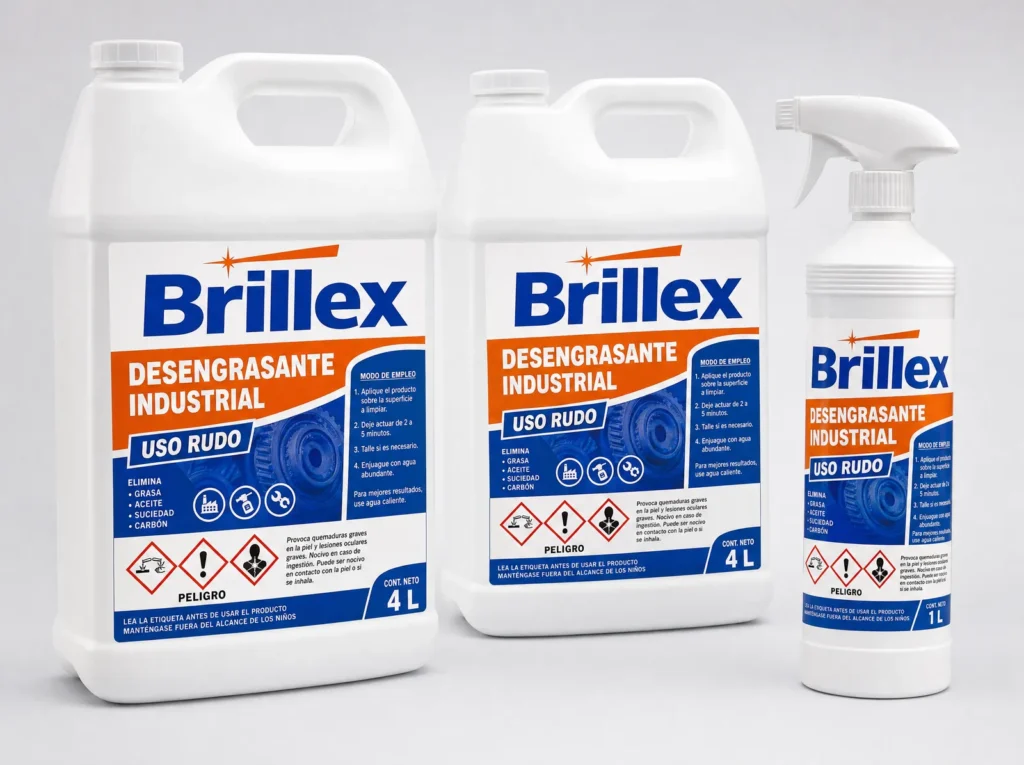
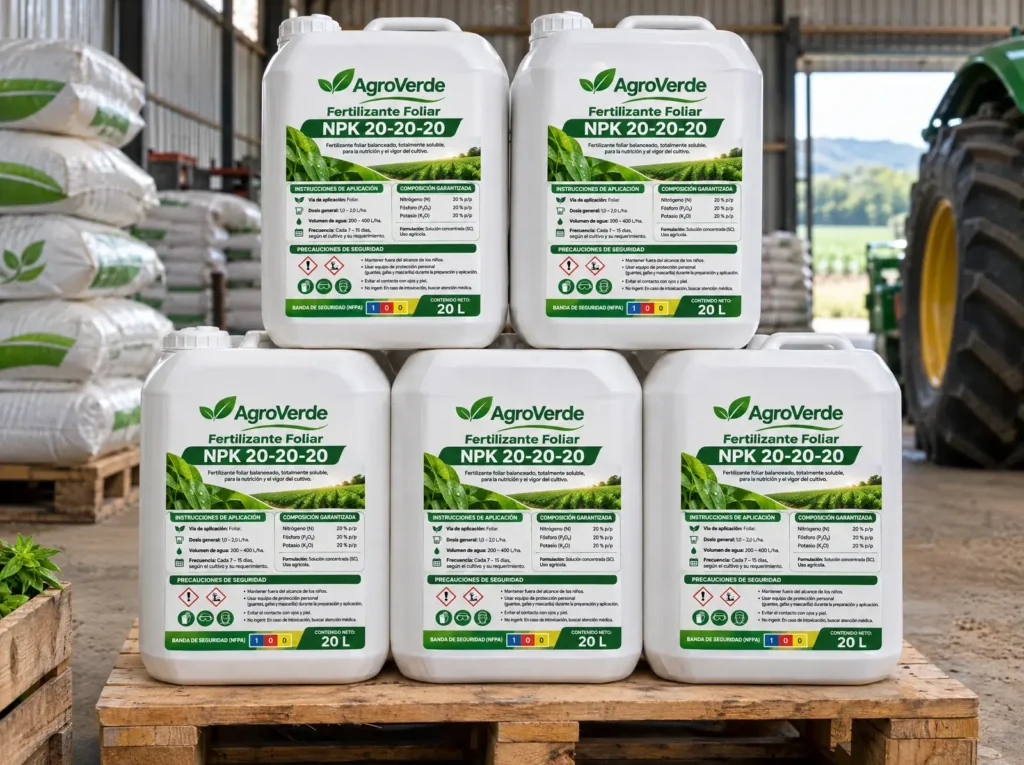
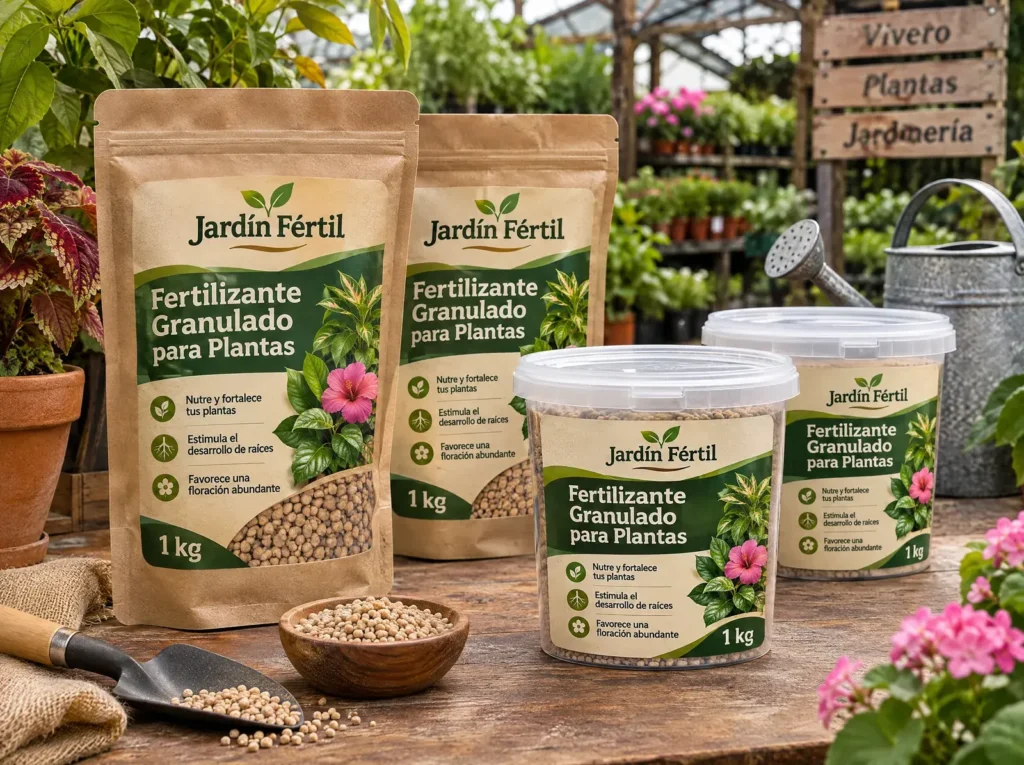
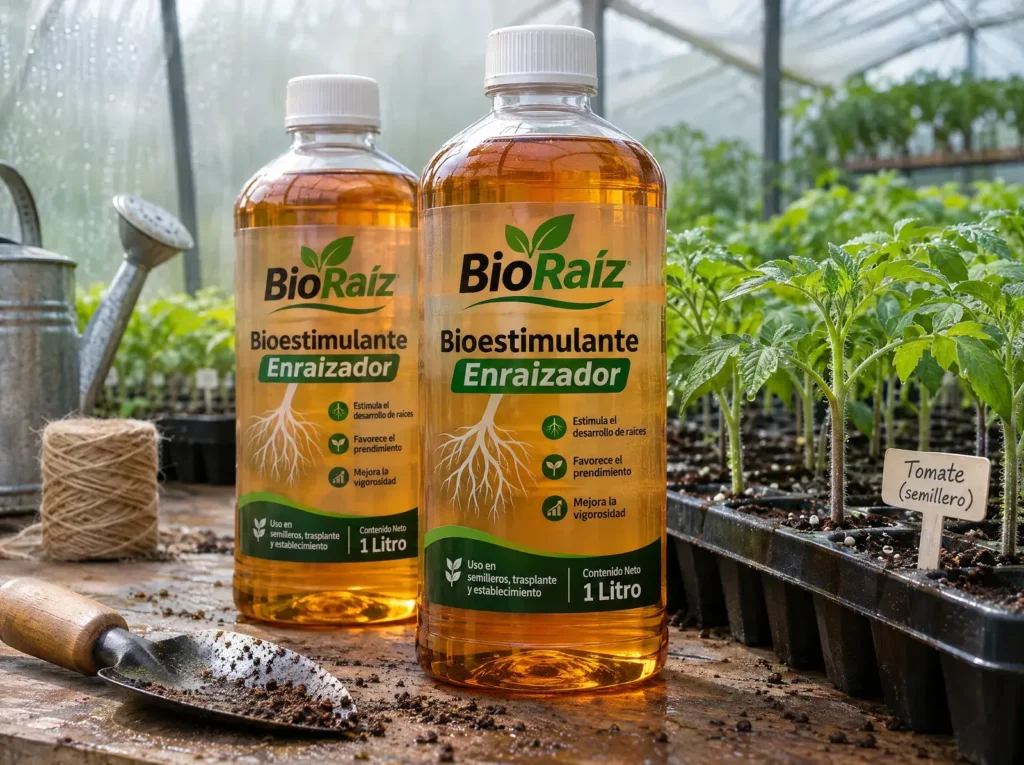
Labels for industrial chemicals, fertilizers, agrochemicals, lubricants and automotive additives. We print GHS pictograms, instructions and data on labels that resist solvents, oils and use in the field or workshop.
For chemicals we review the resistance of the entire construction:
Self-adhesive BOPP with lamination for solvents
Polyester for extreme conditions
Permanent adhesive for HDPE and metal
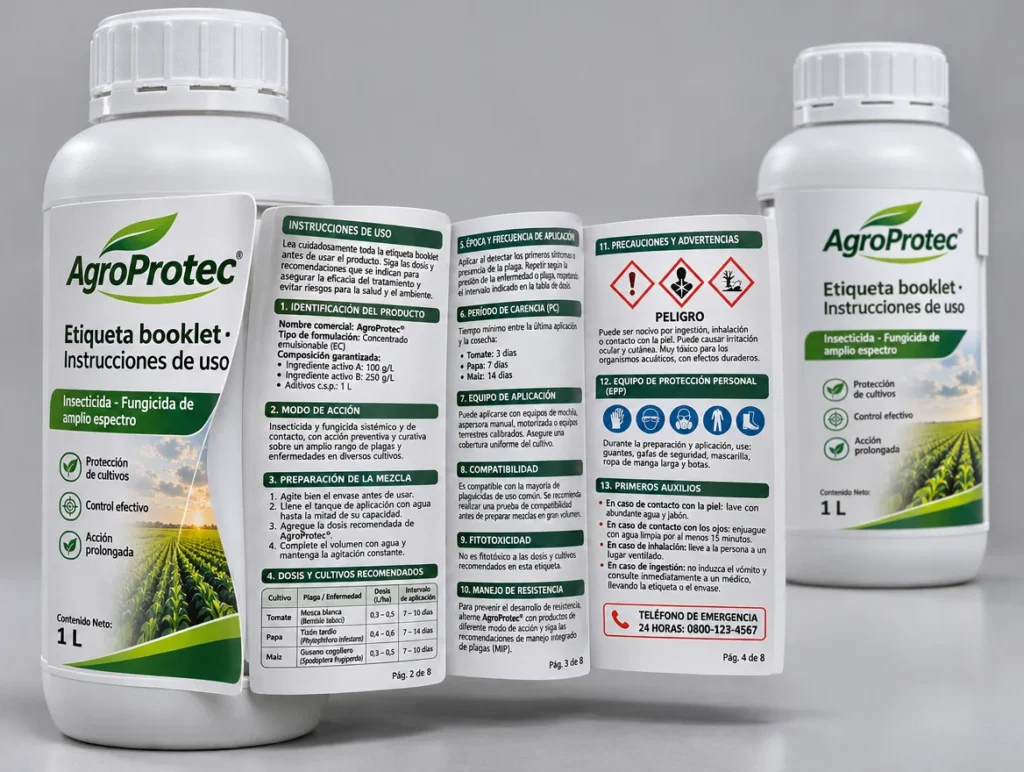
GHS pictograms and booklets for legal information
Guide
How to choose labels for chemicals and agrochemicals
In chemicals and agrochemicals the label isn’t just image: it carries safety information the user needs to read in the field, the workshop or the warehouse. These are the points we review with you.
Resistance to solvents and oils
Solvents, oils, liquid fertilizers and additives can dissolve inks and weaken adhesives. That’s why we review the complete construction: material, ink, protection and adhesive, not just the face of the label.
For most products we recommend self-adhesive BOPP with lamination; for harsher conditions, polyester. Share your product’s safety data sheet with us so we can choose the right combination.
GHS pictograms and hazard communication
Chemical products are labeled with pictograms, signal words and hazard statements from the Globally Harmonized System (GHS). In Mexico, NOM-018-STPS sets out how to communicate these hazards in the workplace.
We print the pictograms with their red frames and the fine text sharply, and protect them so they stay legible during storage and use.
Booklet labels for extensive information
An agrochemical may need directions for use, dosage per crop, first aid and legal information that won’t fit on a regular label. A booklet label adds several folded pages that open and reclose.
That way you include all the required information without making the container bigger or adding loose leaflets that get lost.
Sun, rain and field use
A fertilizer jug can spend weeks in the sun in a greenhouse or in the bed of a pickup. Light and moisture degrade unprotected materials and inks. With self-adhesive BOPP, lamination and the right inks, the label withstands these conditions better.
Tell us where your product is stored and used, and how long the label must stay legible, so we can recommend the right construction.
Jugs, buckets and sacks
Chemical containers vary widely: HDPE jugs and drums, buckets, metal cans and bags. Each surface needs a different adhesive, and polyethylene containers require a permanent adhesive designed for them.
If the container has textures, ribs or curved areas, we review the size and shape of the label with you so it applies without wrinkles.
Lot and traceability
We print your fixed barcode or QR code as part of the design; you add the lot and date on your line with a coder or thermal printer, in an area prepared for it.
Every lot of labels ships with a certificate of quality, under an ISO 9001:2015 system, with 100% inspection using artificial intelligence and image recognition.
Technology
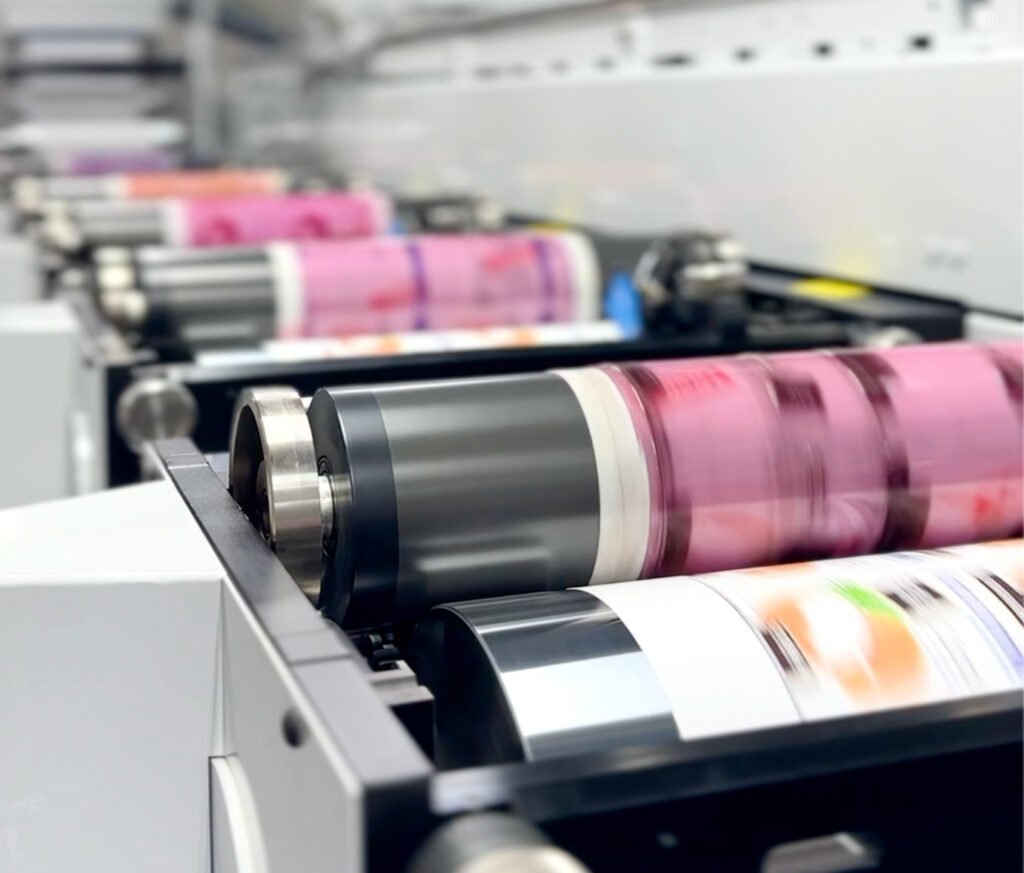
Narrow-web flexography up to 8 colors
Our printing and rewinding equipment lets us produce demanding labels at scale without compromising quality.
Share your design, dimensions, quantities and where the label will be applied.
02
We recommend
Together we choose the material, adhesive and finish for your application.
03
We print and inspect
We produce with flexography and inspect 100% of the labels.
04
We deliver
You receive your rolls ready for your line, anywhere in Mexico.
FAQ
Your questions, answered
What we are asked most often before a quote. If you can’t find your answer, write to us.
Do your labels comply with GHS pictograms?
We print GHS pictograms and safety text with the sharpness required. Your company defines the legal content; we make sure it prints legible and durable.
Which label resists solvents and oils?
Self-adhesive BOPP or polyester with a protective laminate. We recommend the construction based on your product’s chemistry.
What is a booklet label?
A multi-page label that opens and recloses, ideal for directions for use, dosages and precautions for agrochemicals.
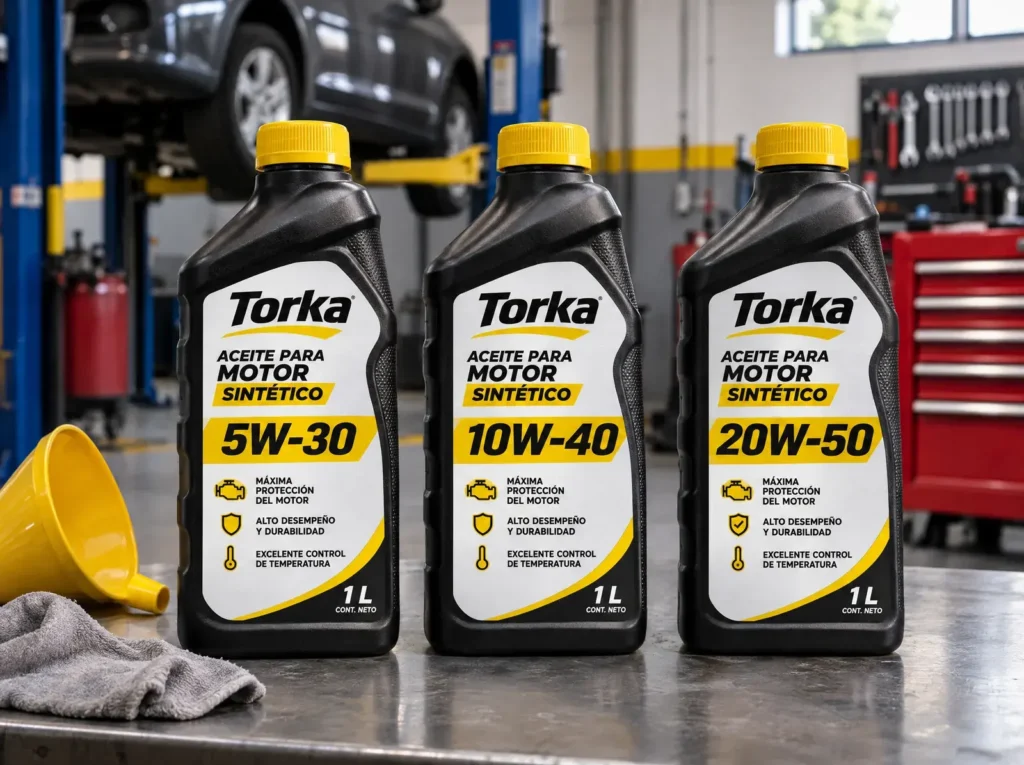
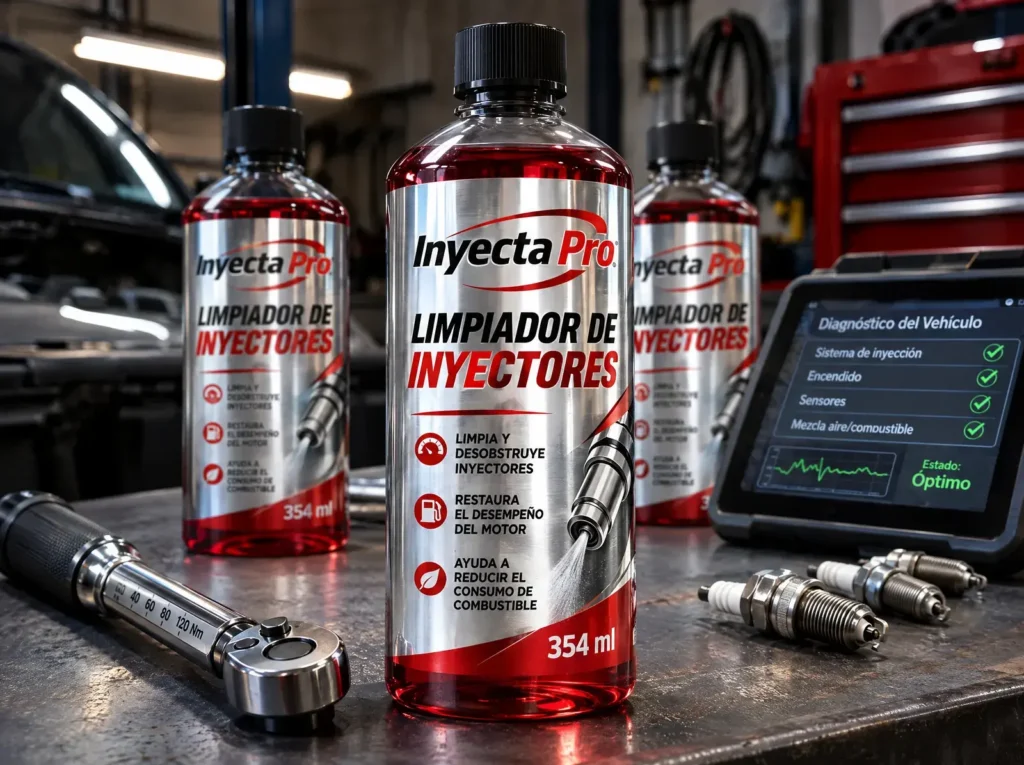
Do you make labels for motor oil and antifreeze?
Yes. We print labels for lubricants, additives and antifreeze on white, clear or metallized self-adhesive BOPP.
What is the minimum order?
It depends on the size and design of the label. We quote each product separately to give you the best price.
Do you ship all over Mexico?
Yes. We ship all over Mexico and we also export.
Which label resists solvents?
Self-adhesive BOPP with lamination, or polyester for harsher conditions. We review your product’s safety data sheet to choose.
When does a booklet label make sense?
When your product must carry more information than fits on the container: instructions, dosages, several languages or legal data.
Can you match my brand colors?
Yes. In our ink lab we match your Pantone and brand colors with a tolerance of ±3.0 Delta E.
How long does delivery take?
Usually 10 to 15 days from artwork approval, depending on quantity and material. If you have a launch date, let us know when you request a quote.
Need labels for chemical products?
Tell us about your product and its safety data sheet, and we will recommend the right construction.
We use cookies and third-party tools to make the site work, analyze visits and identify the companies that visit us. By continuing to browse, you accept their use in accordance with our Cookie Policy and our Privacy Notice.