Industries · Food
Applications
Guide
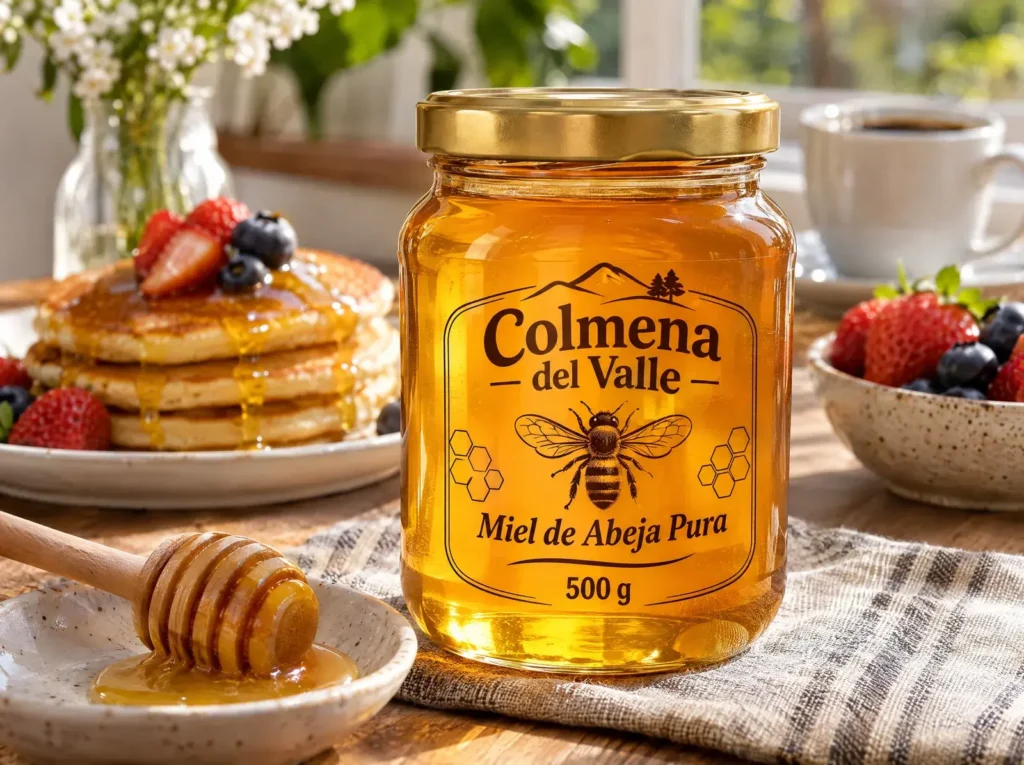
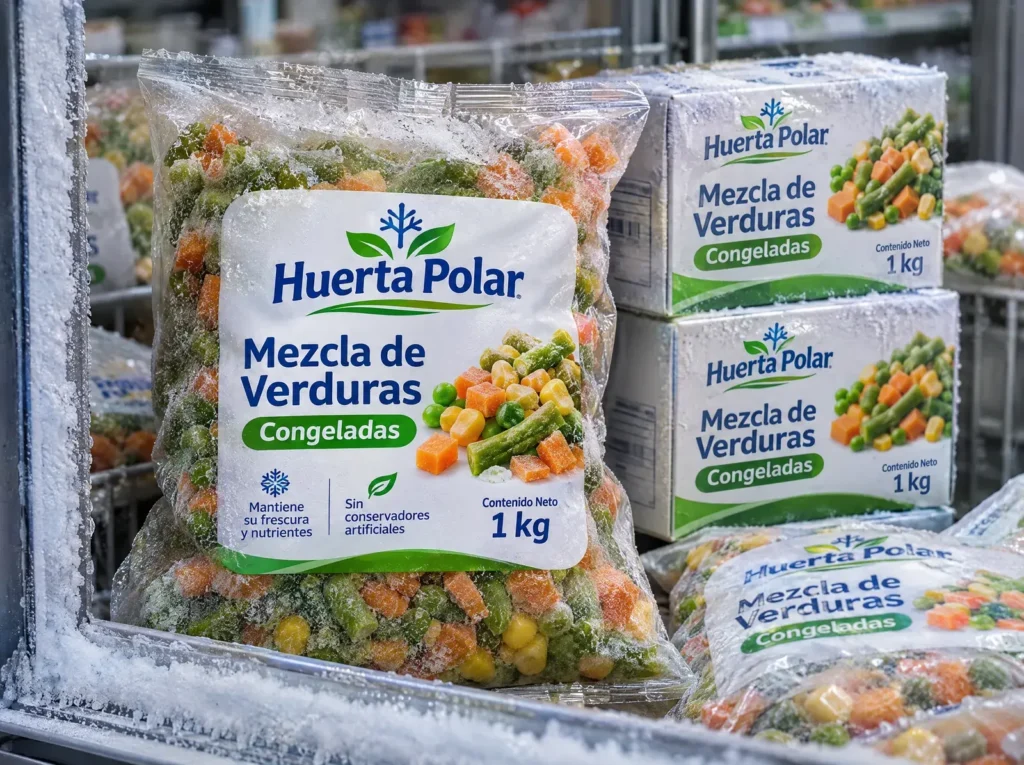
Labeling a jar at room temperature is not the same as labeling a freshly packed tray that goes straight into the freezer. The adhesive needs a minimum temperature to bond properly and another to stay firm throughout the life of the product.
That’s why we ask what temperature the container is at when it’s labeled and where it’s stored afterwards. With that information we choose a permanent, refrigeration or freezer adhesive, and avoid labels that lift, wrinkle or fall off in the cold chain.
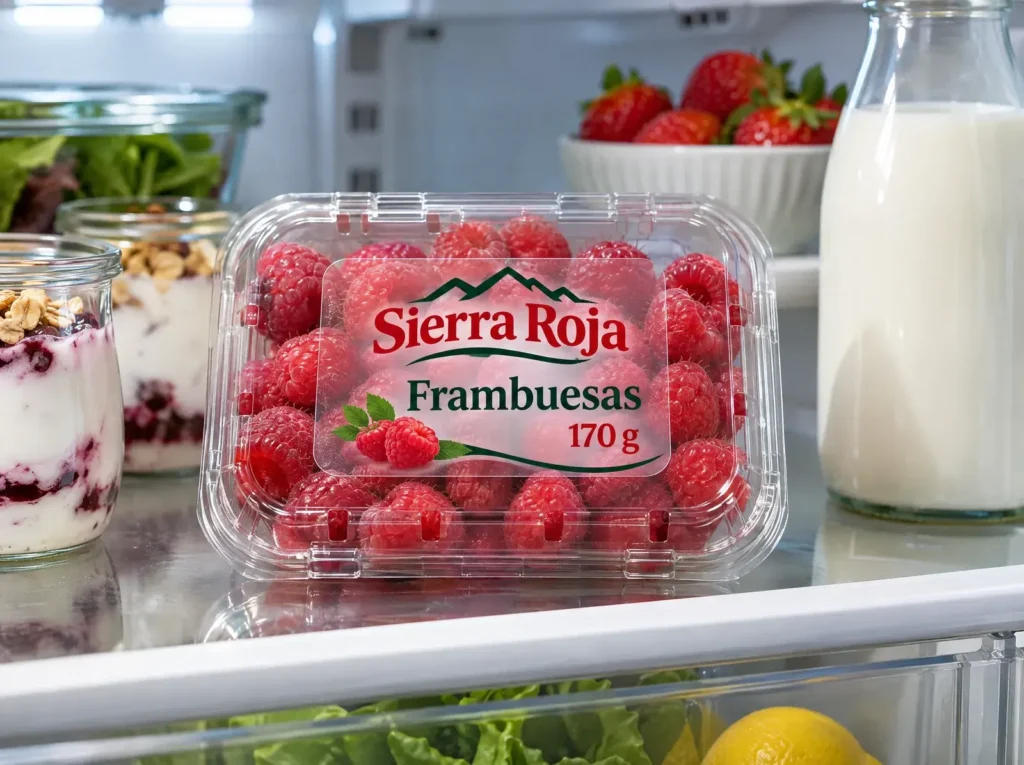
When the label may touch the food, as with fruit, cheese or bread, we use materials and adhesives approved for direct contact according to FDA. If the label goes on the container and doesn’t touch the product, we use constructions suitable for indirect contact.
Inks and varnishes count too. We work with water-based and UV inks, and recommend the right combination for your container and your food, so your product meets what your customers and your audits require.
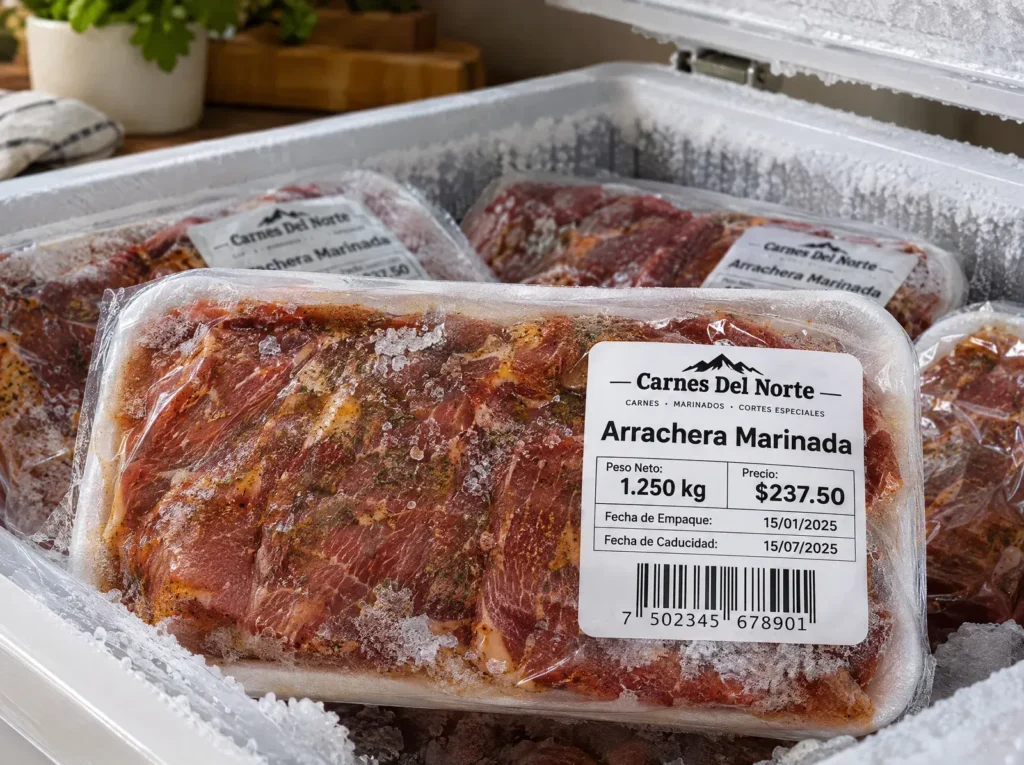
Packaged food sold in Mexico must carry the information required by NOM-051: product name, ingredients, net content, nutrition facts, manufacturer details and, where applicable, the front-of-pack warning seals. You define the content; we make sure it prints sharp and legible.
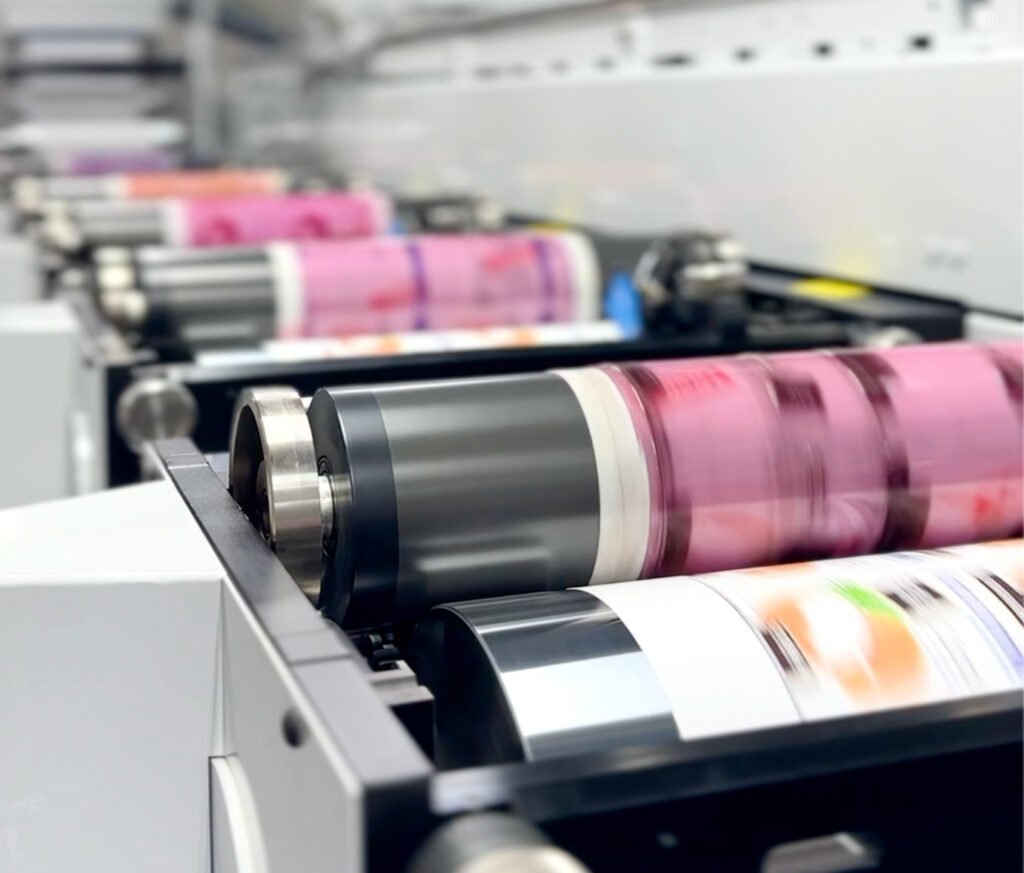
With flexography in up to 8 colors we reproduce fine text, tables and black seals with good contrast. If your label doesn’t have room for all the information, a booklet label adds pages without making the container bigger.
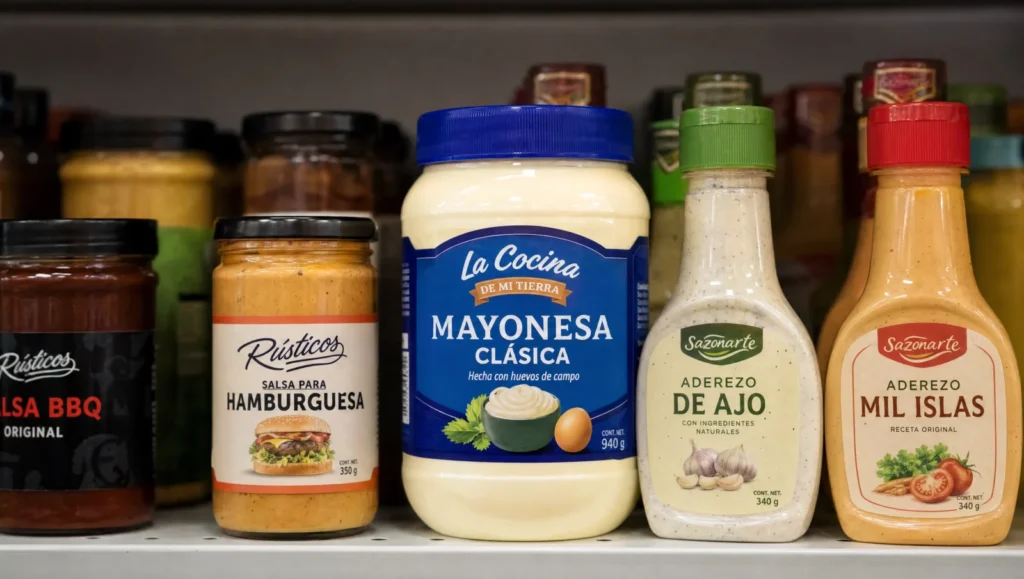
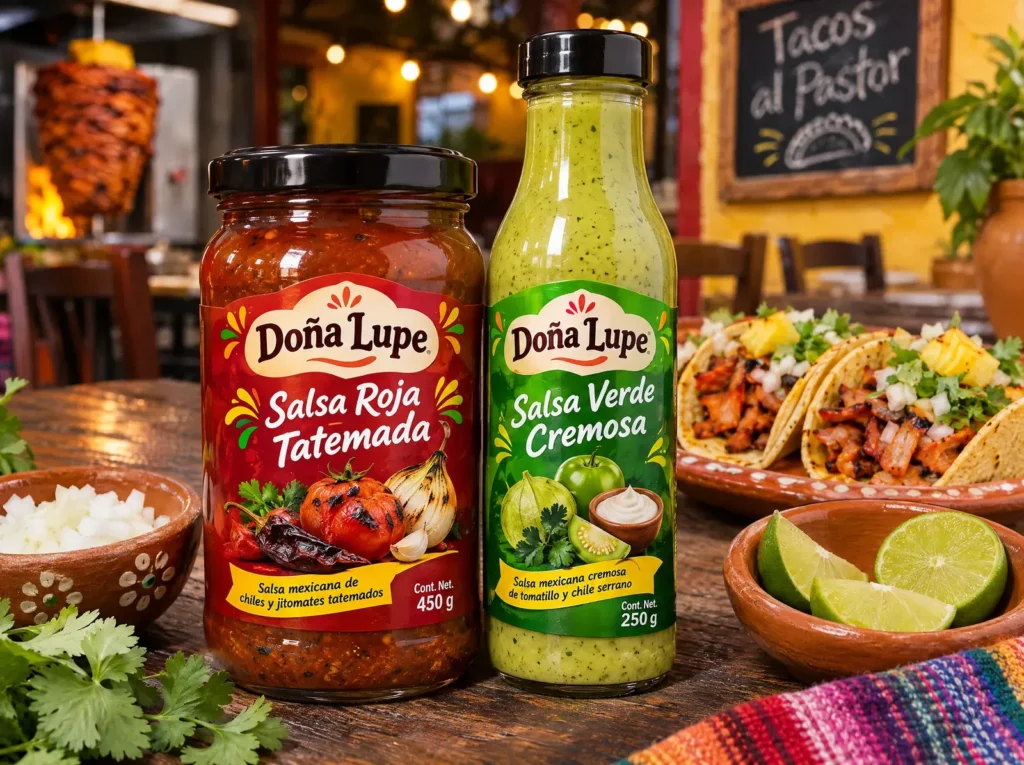
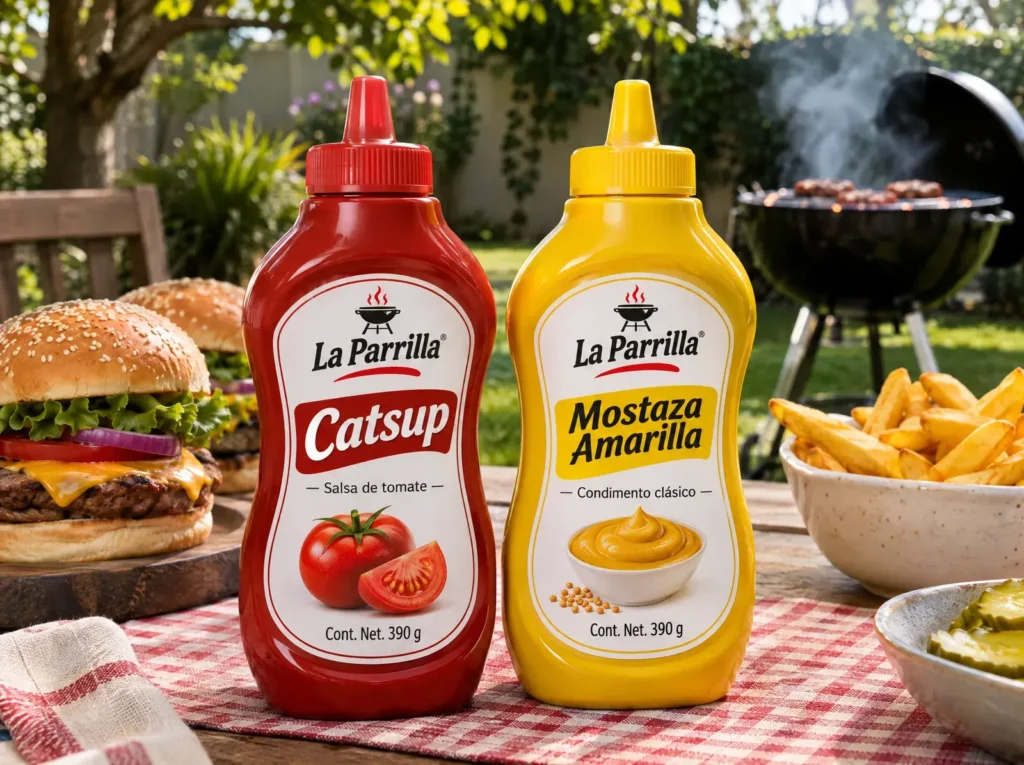
Sauces, dressings, meat and refrigerated products put labels to the test. Unprotected paper absorbs moisture and grease, stains and wrinkles. For these products we recommend self-adhesive BOPP or laminated paper.
Self-adhesive BOPP doesn’t absorb water or oil, and lamination protects the print from scuffing in transit and on the shelf. The result is a label that looks the same on day one as when your customer opens the fridge.
We print your fixed barcode or QR code as part of the design and make sure it scans. Data that changes, such as lot, expiration date or price, you add on your line with a coder or thermal printer.
So that this data prints well, we leave a varnish-free area and choose a material compatible with your equipment. If you use thermal transfer, we also supply the ribbons for your printer.
We produce rolls for hand application and for automatic labelers. To keep your line running, we need to know the unwind direction, the maximum roll diameter and your equipment’s core. We deliver on 3-inch cores.
We inspect 100% of the labels with an artificial intelligence and image recognition system, and every lot ships with its certificate of quality, so what you receive performs the same order after order.
Technology
Our printing and rewinding equipment lets us produce demanding labels at scale without compromising quality.
Compatible finishes
Recommended materials
How we work
01
Share your design, dimensions, quantities and where the label will be applied.
02
Together we choose the material, adhesive and finish for your application.
03
We produce with flexography and inspect 100% of the labels.
04
You receive your rolls ready for your line, anywhere in Mexico.
FAQ
We use cookies and third-party tools to make the site work, analyze visits and identify the companies that visit us. By continuing to browse, you accept their use in accordance with our Cookie Policy and our Privacy Notice.