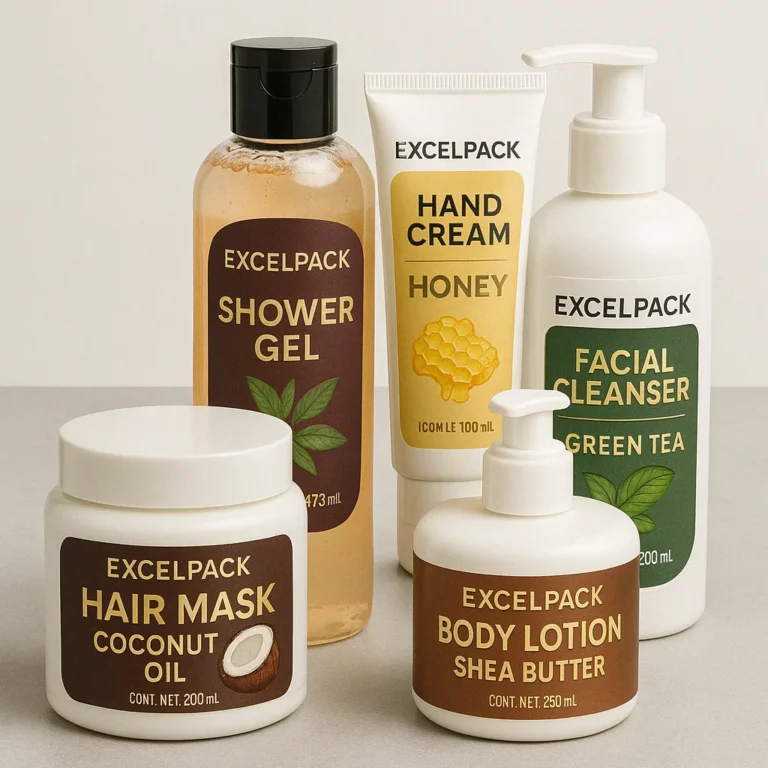
In the world of labeling, choosing the right label material plays a fundamental role in the success of any project.
Whether you need labels for products, containers or any other purpose, the materials you use will determine the durability, appearance and performance of your labels. In this post we look at the different substrates for self-adhesive labels, as well as non-adhesive materials that can be printed with flexography. You’ll learn how to choose the right material for your needs and get outstanding results in identifying your products. See the label materials we work with.
Materials for self-adhesive roll labels
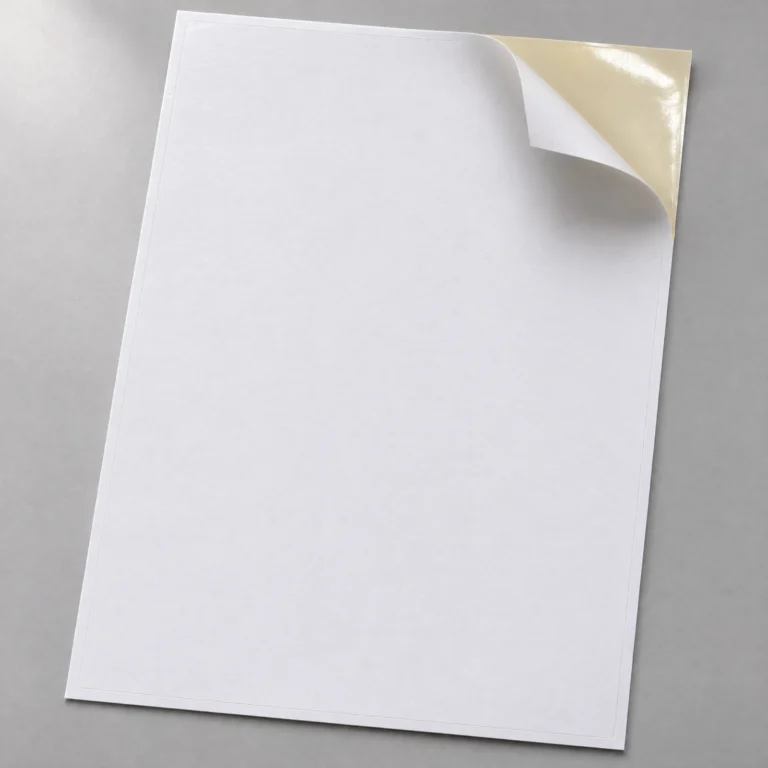
- Paper: Paper is one of the most common materials for self-adhesive labels. It’s versatile, economical and easy to print. Paper varies in weight and finish, from matte to gloss. It’s ideal for temporary or promotional labels and for consumer products with a short shelf life. The most commonly used paper is an 80 g semi-gloss coated stock, perfect for printing and die-cutting with narrow-web flexography and a favorite for many applications.
- Plastic films: Plastic films offer greater durability and resistance to harsh environmental conditions. Popular options include polyethylene (PE), polypropylene (PP) and polyester (PET). These films are ideal for outdoor labels, water-resistant labels or labels for products exposed to moisture or constant handling. Two-mil self-adhesive BOPP, in white or clear, is generally used. For demanding applications, such as the automotive or electronics industries, PET is usually the standard.
- Vinyl: Vinyl is a durable, versatile material used for self-adhesive labels in industrial and commercial applications. It resists weather, water, wear and fading. Vinyl labels adhere easily to smooth or curved surfaces, making them ideal for signage, safety labels and identification labels. These labels are not frequently used.
- Metallized materials: Metallized materials, such as metallized paper or metallized polyester films, give labels an attractive, eye-catching look. They are widely used for premium products, cosmetics and beverages. These labels stand out on the shelf and catch consumers’ attention.
Some leading self-adhesive material manufacturers available in Mexico include Fedrigoni, Avery Dennison, Green Bay Packaging, MACtac and Arclad, among others.
Non-adhesive materials for flexographic printing
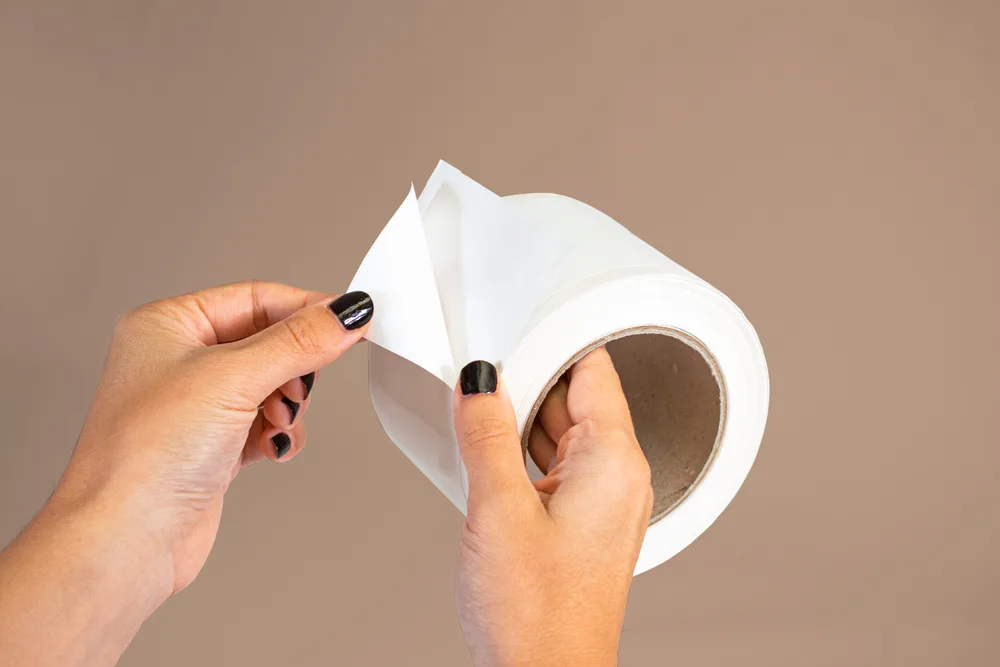
Besides self-adhesive materials, flexography can also print non-adhesive materials that are later turned into labels using other attachment methods, or used as part of the final product packaging. Some examples:
- Cardstock: Cardstock is a rigid, strong material used for labels and hang tags. It is printed with flexography and then cut and punched to add string or wire for attachment. SBS, multi-layer FBB or thin-gauge coated boards are commonly used.
- Kraft paper: Kraft paper is a strong, durable material commonly used for shipping or packaging labels. It can be printed with flexography and then attached with glue or adhesive tape.
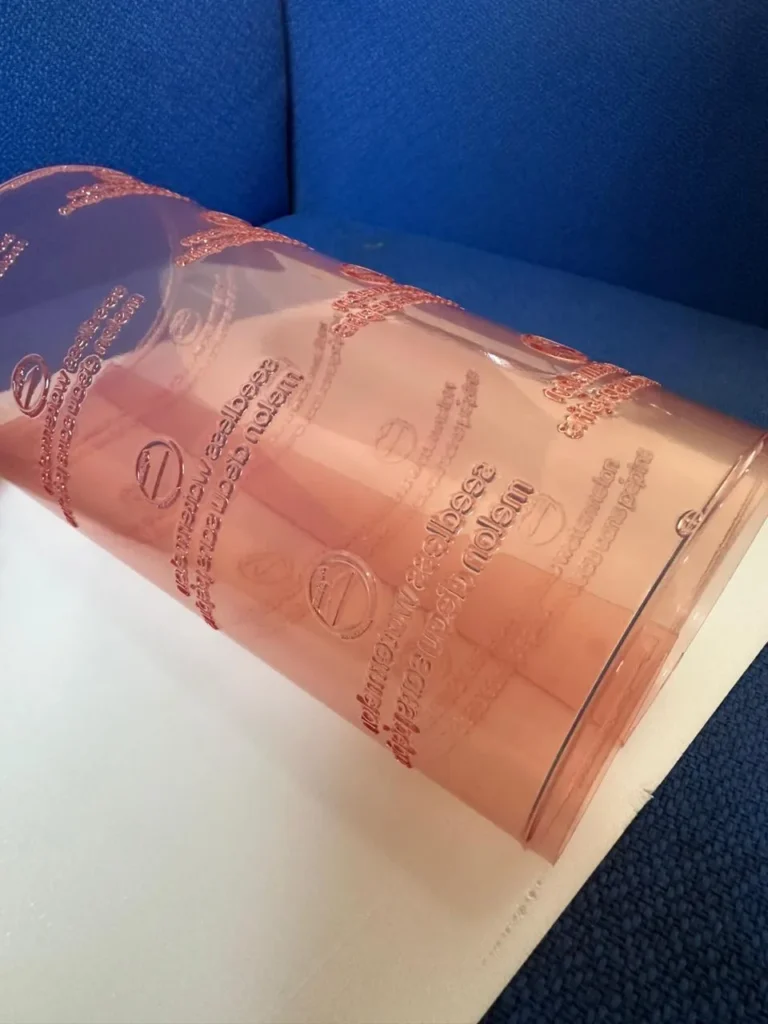
- Clear films: Clear films, such as clear polypropylene, are used to create transparent or window labels. These let the contents of the container show or add extra information without blocking visibility. Clear film printing is also used to produce shrink sleeves or flexible packaging.
How to choose the right material: 4 key points
Choosing the right material for your self-adhesive labels is a crucial process. Here are the 4 key points for getting durable, attractive and functional labels:
- Aesthetics and design: Choose a material that fits your brand image and enhances the look of your products. Consider finishes, textures and special features that can add aesthetic value.
- Printing requirements: Make sure the material is compatible with the printing method you plan to use, which in our case is narrow-web flexography. Some materials may require specific inks for proper adhesion.
- Application: Evaluate the environment where the labels will be used, storage conditions, exposure to light or water, required lifespan and other factors related to the specific application.
- Cost and availability: Consider your budget and the availability of the material on the market. Some materials may be more expensive or harder to find, which can affect your final decision.
Working closely with a label supplier and printing experts can give you additional advice and guidance in selecting the right material for your needs.
Conclusion
Selecting the right material for your self-adhesive labels is essential to achieve quality, durable and visually appealing labels. Carefully evaluate the characteristics and requirements of your application, as well as your aesthetic preferences and the available printing methods. By taking these aspects into account, you’ll be able to choose the right material and get labels that meet your expectations, add value to your products and strengthen your brand identity.