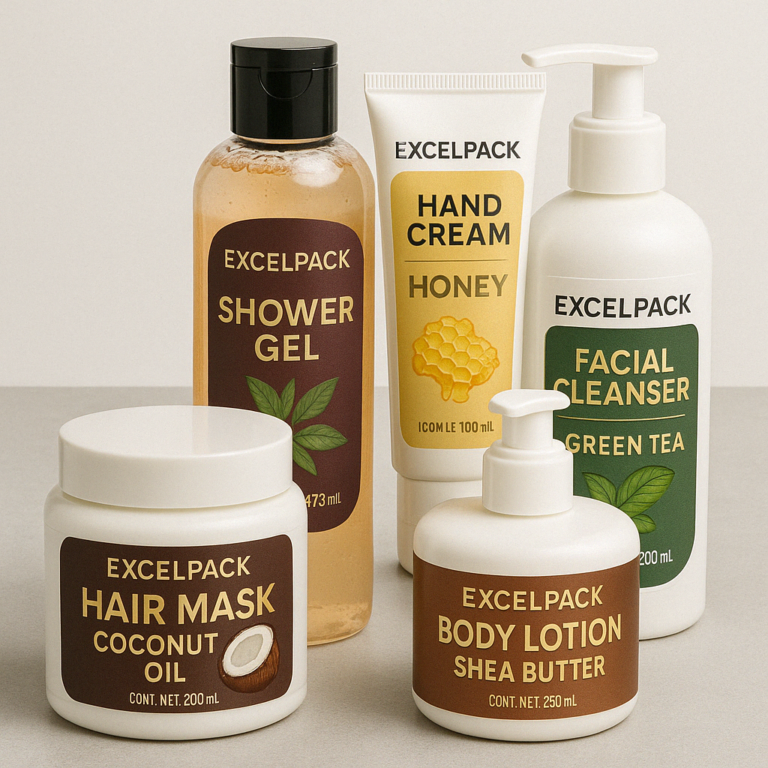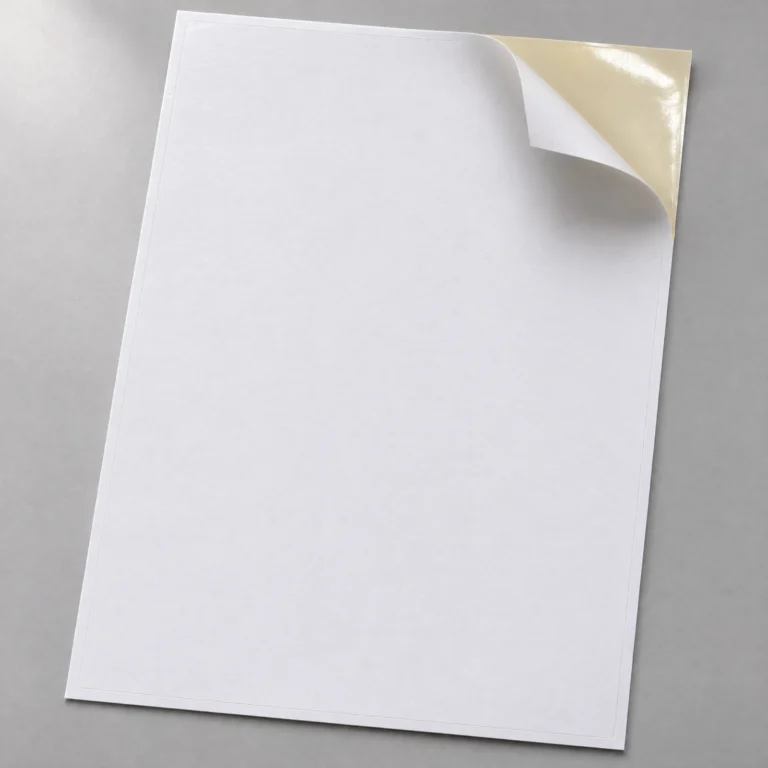
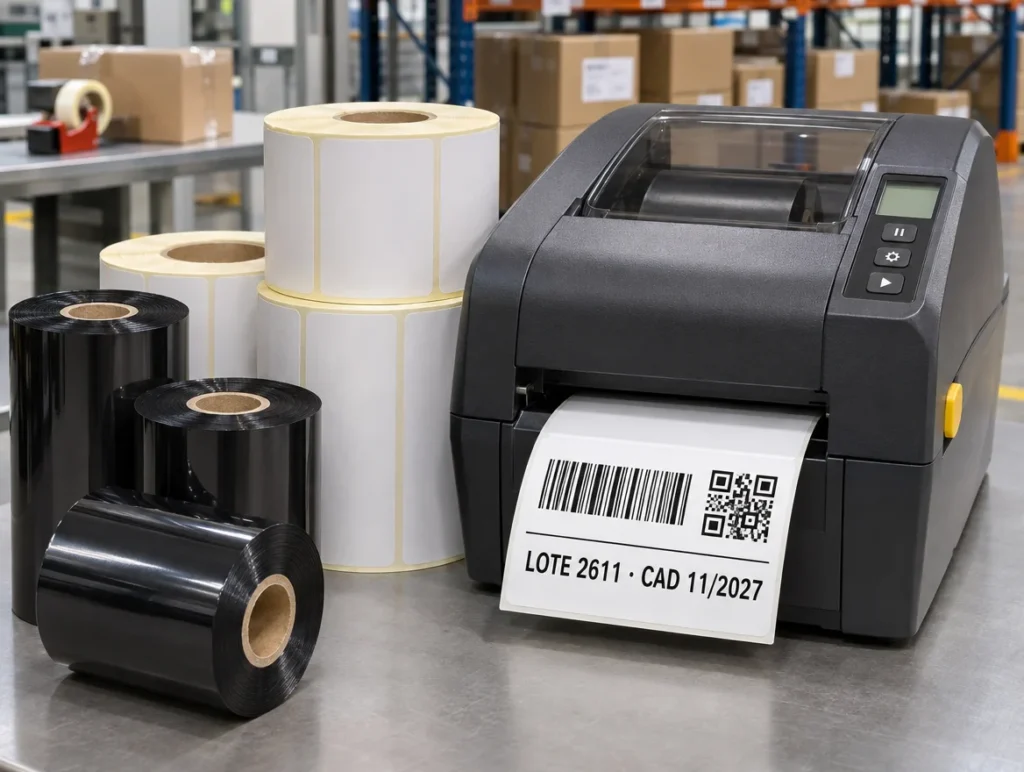
The self-adhesive label industry has grown significantly in recent years, driven largely by demand for pressure-sensitive and roll labels across a wide range of sectors. One printing technique that has gained popularity for producing these labels is narrow-web flexography. In this post, we walk through the overall narrow-web flexographic process and how it is applied to label production.
What is narrow-web flexography?
Narrow-web flexography is a relief printing technique that uses flexible printing plates to transfer ink onto a variety of substrates. It is especially well suited to producing self-adhesive and roll labels because it can print on a wide range of materials and deliver high image quality at fast production speeds.
The narrow-web flexographic process
Producing self-adhesive labels with narrow-web flexography involves several key stages:
- Design and image preparation: The first step is the design of the image that will be printed on the labels. The design must take into account product specifications such as size, shape and the colors to be used. Once the design is created, a digital image is prepared that will be used to make the flexographic printing plates.
- Making the printing plates: Flexographic plates are pieces of flexible material, usually photopolymer, that carry the relief image to be transferred to the substrate. The digital image prepared in the previous step is exposed onto the photopolymer plate with ultraviolet light, which hardens the exposed areas to form the relief image. The plate is then washed to remove the unexposed material and reveal the relief image.
- Plate mounting and registration: The plates are mounted on printing cylinders that fit the narrow-web flexographic press. Precise plate registration is essential so the printed images are correctly aligned and overlap evenly on the substrate.
- Ink and substrate preparation: Before printing begins, the inks and substrates for the job are prepared. Narrow-web flexography works with a variety of inks, including water-based, solvent-based and UV inks, and can print on a wide range of substrates, from papers to plastic films, which makes it ideal for label production.
- Printing and drying: During printing, ink is transferred to the plates and then applied to the substrate as it passes through the press. Anilox rolls, which meter the amount of ink deposited on the plates, ensure the ink is transferred evenly. After printing, the inks are dried quickly with drying systems such as UV lamps so the images don’t smear or mix.
- Finishing and die-cutting: Once the labels are printed and dried, additional finishes such as varnishes or laminates can be applied to enhance their appearance and durability. Cutting dies are then used to cut the labels to the desired shape and size. Dies are precision cutting tools that ensure clean, consistent edges.
- Inspection and quality control: Before being rewound and shipped, the labels go through a rigorous inspection and quality control process to make sure they meet quality standards and customer specifications. Any label that doesn’t meet these criteria is rejected.
- Rewinding and packing: Finally, the labels are wound onto rolls according to the customer’s specifications, carefully packed and shipped to the customer for use on their products.
Conclusion
Narrow-web flexography is a versatile, efficient printing technique that has proven especially well suited to producing self-adhesive roll labels. With its ability to print on a wide range of substrates and deliver high image quality, it has become a popular choice for companies looking for attractive, durable labels for their products. If you’d like to learn more about narrow-web flexography and how it can benefit your business, contact the Excelpack team for more information and personalized advice.